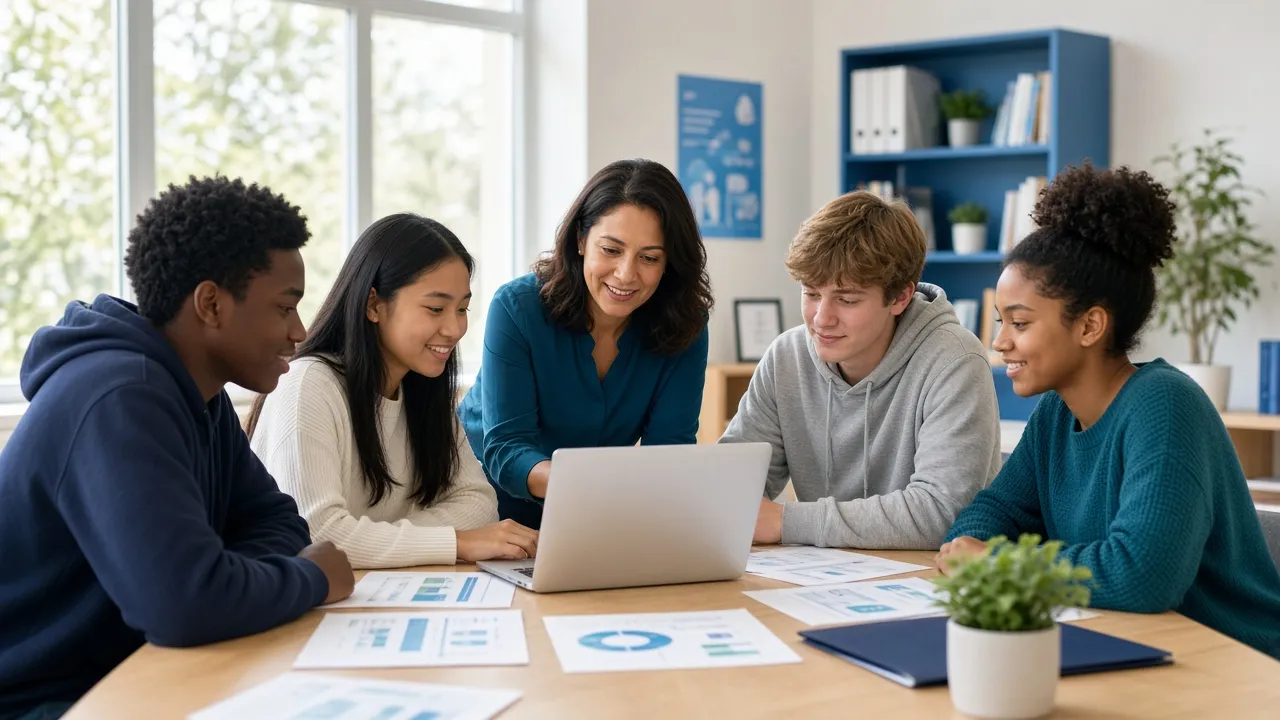
Preparing students for life after high school requires more than academic instruction. Students need opportunities to discover their interests, identify their strengths, explore career options, and develop skills that can help them succeed in further education, training, and employment.
Career readiness for high school students provides a structured approach to connecting education with future opportunities. Through career exploration, skills assessments, personalized learning pathways, and real-world experiences, schools can help students make informed decisions about their futures.
For schools, districts, and Career and Technical Education (CTE) programs, building career readiness means giving every student a clearer understanding of where they can go and how to get there.
What Is Career Readiness for High School Students?
Career readiness refers to the knowledge, skills, experiences, and preparation students need to pursue meaningful opportunities after graduation.
It includes more than preparing for job applications. Career-ready students should have opportunities to:
- Explore occupations that match their interests and abilities.
- Understand the skills and qualifications employers seek.
- Identify their existing strengths and skills gaps.
- Research education, training, and industry credentials.
- Develop communication, problem-solving, and workplace skills.
- Prepare for college, apprenticeships, technical training, or employment.
Career readiness does not require students to choose one permanent career path during high school. Instead, it helps them develop the knowledge and confidence to make informed decisions as their interests and opportunities change.
Why Career Readiness Matters in High School
1. Students Need Exposure to Real Career Opportunities
Many students know about familiar professions but have limited exposure to career opportunities in manufacturing, healthcare, information technology, skilled trades, and emerging industries.
Career exploration programs introduce students to a broader range of occupations and help them understand how different careers connect to their interests.
For example, a student who enjoys practical problem-solving may discover career opportunities in CNC machining, industrial maintenance, engineering technology, or advanced manufacturing.
2. Students Need to Understand Their Skills
Students develop valuable abilities through academic coursework, projects, extracurricular activities, volunteering, and practical experiences.
However, they may struggle to connect those abilities with workplace requirements.
Skills assessments can help students identify their strengths and recognize areas for further development.
By understanding the relationship between their current skills and career requirements, students can make more informed educational choices.
3. Career Preparation Should Support Different Pathways
Not every student plans to attend a four-year university.
Some pursue community college, technical training, apprenticeships, military service, or direct employment.
Career readiness programs should recognize these different pathways and provide students with information relevant to their individual goals.
4. Career Guidance Should Connect Education With Employment
Career exploration becomes more meaningful when students understand how classroom learning relates to occupations and industries.
Schools can strengthen that connection by introducing occupational skills, industry-recognized credentials, work-based learning, and employer engagement.
Six Essential Components of a High School Career Readiness Program
1. Career Exploration and Discovery
Career exploration is the foundation of career readiness.
Students should have opportunities to understand their interests, explore occupations, and learn how different industries operate.
Schools can support career discovery through interest assessments, occupational research, employer presentations, and guided discussions.
AI-supported career exploration tools can also help students discover potential career matches based on their interests and skills.
These recommendations should support student choice and educator guidance rather than determine a student's future.
2. Skills Assessment and Gap Analysis
Students benefit from understanding what they already know and what they may need to learn.
A skills assessment can help learners evaluate their existing capabilities and explore the requirements of different occupations.
For example, students interested in manufacturing may explore skills such as:
- Blueprint reading
- Technical measurement
- Machine operation
- Workplace safety
- Quality control
- Problem-solving
Identifying skills gaps can help students select relevant courses, training opportunities, and career pathways.
3. Personalized Learning Pathways
Every student has different interests, strengths, and development needs.
Personalized learning pathways help connect individual career goals with relevant education and training opportunities.
A career pathway may include high school coursework, CTE programs, technical credentials, postsecondary education, and practical work experience.
By understanding the steps involved in pursuing a career, students can develop a more structured approach to preparing for their futures.
4. Digital Skills Wallet and Career Portfolio
Students often develop valuable skills that are not fully represented by their grades.
A digital Skills Wallet provides a structured way to document skills, credentials, achievements, and career goals.
It can help students organize their experience and prepare to communicate their capabilities to educators, training providers, and prospective employers.
A skills portfolio can become a useful part of ongoing career planning as students progress through education and training.
5. Work-Based Learning and Employer Engagement
Work-based learning helps students connect classroom knowledge with real-world occupations.
Depending on available programs and partnerships, activities may include:
- Career fairs and employer presentations
- Job shadowing
- Industry visits
- Internships
- Apprenticeship exploration
- Career-focused projects
These experiences can help students better understand workplace expectations and occupational requirements.
6. Postsecondary and Employment Preparation
Career readiness should prepare students for the transition beyond high school.
Important activities include résumé development, interview preparation, career research, education and training exploration, and understanding job application requirements.
Students should be encouraged to develop flexible plans and revisit their goals as they gain new experiences.
How Career and Technical Education Supports Career Readiness
Career and Technical Education connects academic knowledge with occupational skills and practical learning.
CTE programs may help students explore industries such as manufacturing, healthcare, information technology, transportation, and business.
By connecting CTE learning activities with occupational requirements, schools can help students understand how technical skills contribute to future career opportunities.
For example, a manufacturing pathway might introduce students to technical drawings, measurement, machining principles, and workplace safety.
Students can then explore related occupations, potential industry credentials, and relevant postsecondary training programs.
Combining CTE instruction with career exploration and skills-based planning can create a more connected student experience.
How AI Can Support Career Readiness in Schools
Artificial intelligence can help students and educators organize career information, explore occupational requirements, and identify relevant learning opportunities.
AI-supported career readiness tools may help schools:
- Introduce students to a broader range of occupations.
- Compare student skills with career requirements.
- Identify potential learning and development pathways.
- Support personalized career exploration.
- Connect career interests with relevant training options.
AI should complement, not replace, career counselors, teachers, and informed student decision-making.
Schools considering AI-powered tools should also evaluate student privacy, accessibility, transparency, and the accuracy of career recommendations.
How Schools Can Build a Career Readiness Program
Schools can follow a structured implementation approach.
Step 1: Evaluate Existing Career Readiness Activities
Review current counseling services, career assessments, CTE offerings, student engagement activities, and employer partnerships.
Identify where students may need additional support.
Step 2: Define Career Readiness Goals
Establish appropriate goals for each student group or grade level.
These may include completing career exploration activities, understanding occupational requirements, identifying skills, or developing career portfolios.
Step 3: Introduce Skills-Based Career Discovery
Provide students with tools and guidance to explore interests, skills, and relevant occupations.
Encourage conversations with counselors and educators to help interpret results.
Step 4: Connect Career Goals With Learning Opportunities
Help students identify relevant courses, credentials, technical programs, and work-based learning opportunities.
Step 5: Encourage Digital Career Portfolios
Give students opportunities to document achievements, skills, credentials, and career goals.
Encourage regular updates as students gain experience.
Step 6: Measure Progress and Improve
Monitor relevant indicators such as student participation, career exploration completion, pathway engagement, and portfolio development.
Use feedback from students, counselors, educators, and community partners to improve the program.
How Hidden Talent Supports Career Readiness
Hidden Talent helps schools and CTE programs connect career discovery, skills understanding, learning pathways, and employment preparation.
Powered by JobReadyIQ, Hidden Talent provides an AI-supported, skills-first approach that helps students explore occupations and understand relevant skills.
The platform experience includes:
- Career Discovery: Explore career opportunities based on interests and capabilities.
- Skills Assessment: Understand existing skills and identify potential development needs.
- Personalized Learning Pathways: Connect career goals with relevant learning and training options.
- Skills Wallet: Document skills, credentials, and career goals.
- Career Preparation: Explore pathways toward further education, training, and employment.
For educational institutions, these capabilities can support more structured career readiness activities and help students make better-informed decisions.
Explore Hidden Talent's Career Readiness Platform
Frequently Asked Questions
What is career readiness in high school?
Career readiness refers to the skills, knowledge, experiences, and preparation that help students transition into education, training, or employment after graduation.
What are examples of career readiness activities?
Examples include career interest assessments, occupational research, résumé preparation, mock interviews, skills assessments, career fairs, job shadowing, and exploring technical training programs.
What is the difference between college readiness and career readiness?
College readiness focuses primarily on preparing students for postsecondary academic education. Career readiness covers broader preparation for employment and occupational pathways, including technical education, apprenticeships, and workplace skills.
How does CTE support career readiness?
CTE helps students connect classroom learning with occupational skills, technical knowledge, and relevant industry pathways.
Can AI help students explore careers?
AI-supported tools can help students explore occupational information, compare skills with career requirements, and identify potential learning opportunities. These tools should be used with appropriate guidance from educators and counselors.
How can high schools improve career readiness?
Schools can improve career readiness by introducing structured career exploration, skills assessments, personalized learning pathways, digital portfolios, and opportunities for work-based learning.
Conclusion: Helping Students Prepare for Their Future
Career readiness is an ongoing journey that begins with exploration and continues through skills development, education, and real-world experience.
Schools that connect career discovery with relevant skills and learning pathways can help students better understand their opportunities and prepare for the next stage of their lives.
Hidden Talent supports this journey through AI-powered career exploration, skills assessment, personalized learning pathways, and digital skills portfolios.
Help your students discover their strengths, explore opportunities, and build their future with confidence.
